Diving into GenAI with a Focus on Arts Education
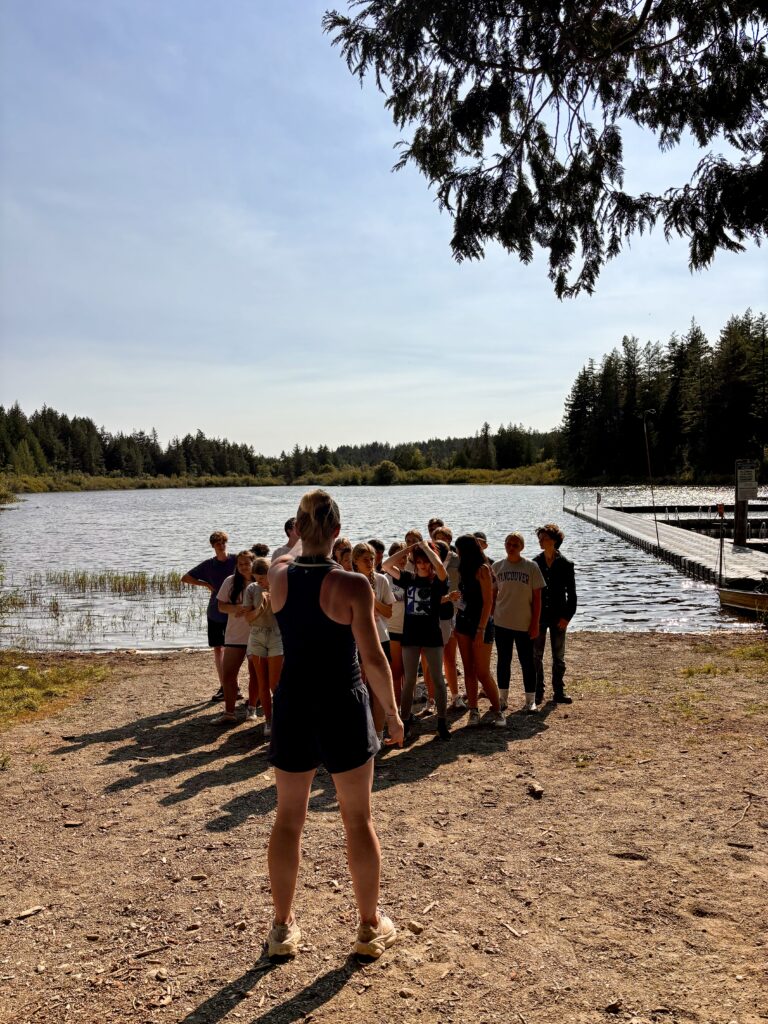
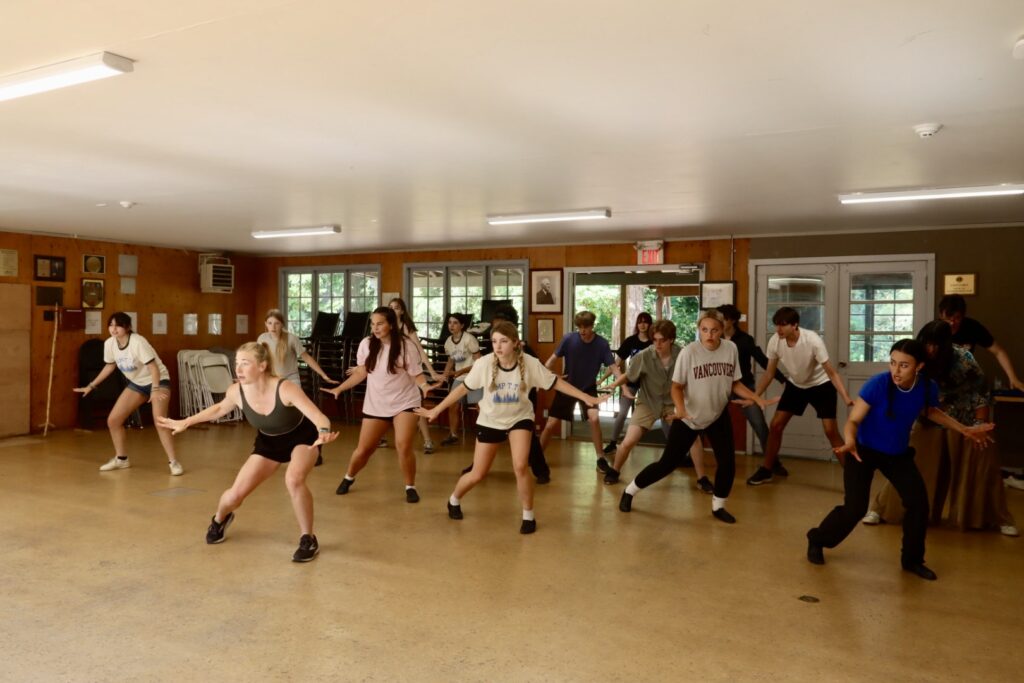
This week has had me thinking a lot about what learning actually looks like in my classroom and what parts of it simply cannot be replicated or sped up. As a PHE, theatre and dance teacher, so much of my work is built on presence, risk-taking, and trust. Learning happens in bodies moving through space, in voices that shake before they grow steadier, and in the quiet moments where a student realizes they are capable of more than they thought.
With the increasing presence of generative AI in education, I have been reflecting on where this technology fits and where it does not. Rather than asking what GenAI can do, I find myself asking what kind of learning I want to protect. This post explores my thinking around the limitations of GenAI and the ways it might be used thoughtfully within the context of the BC curriculum, particularly in arts-based classrooms where the process matters just as much as the product.
Major limitations of GenAI in Theatre and Dance Classrooms
One of the biggest limitations of GenAI is that it cannot understand context in the way humans do, especially in artistic learning. In theatre and dance, so much of the learning lives in the body, in relationships, and in the room. GenAI can generate text or ideas, but it cannot read energy, notice when a student is holding back, or respond to the emotional risk-taking that is required in performance work. It also cannot make ethical or culturally responsive decisions on its own. In the BC curriculum, learning is deeply connected to identity, community, and personal experience, and GenAI does not truly know the learner or their lived context.
Another limitation is that GenAI can give confident answers that are not always accurate or appropriate. In a creative setting, this can be especially problematic because students may mistake generated ideas for “better” ideas, which can unintentionally flatten originality and voice. There is also the concern of over-reliance. If students use GenAI to generate reflections, scripts, or choreographic ideas without critical engagement, it can interfere with the development of creative thinking, communication, and personal and social responsibility, which are core competencies in the BC curriculum.
Check out this great TEDx talk detailing the impact of GenAi in schools and its impact on arts education. While it isn’t specifically about AI fears, it sends a powerful message about framing why artistic learning and human creativity matter in ways AI can’t replicate.
Possible Use of GenAI in Secondary Theatre and Dance Classes
However, there may be a place for it in our classrooms. In a secondary theatre and dance, I see GenAI as a tool that could support learning but not replace it. It could be useful during the early stages of a project, for example helping students brainstorm themes for a devised theatre piece or offering prompts for movement exploration. It might also support students who struggle with written expression by helping them organize thoughts before writing a reflection, as long as the final work remains their own and is grounded in their embodied experience.
GenAI could also be used by for planning. For example, it could help generate warm-up ideas, discussion questions, or assessment prompts that align with curricular competencies, which I could then adapt to fit my students and my program. In this way, it acts more as a planning assistant than a teaching voice.
That said, I would be very cautious about its use during Secondary performance creation, choreography concept classes, or personal reflection projects. These are moments and years where students are developing confidence, identity, and voice, and those outcomes are central to arts education in BC. In these cases, GenAI risks distancing students from the discomfort and uncertainty that are actually essential parts of the creative process.
Ultimately, used intentionally and transparently, GenAI can be a support tool, but in my classroom, the learning must always remain human, embodied, and relational.
Leave a Reply