Where I’m At Now
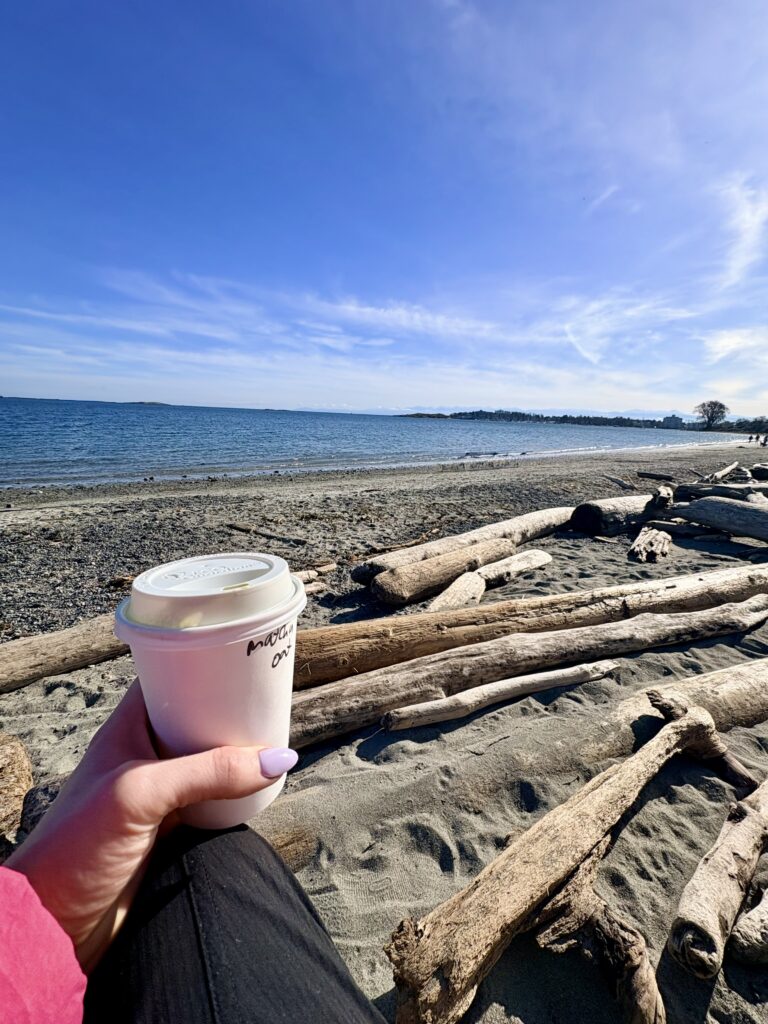
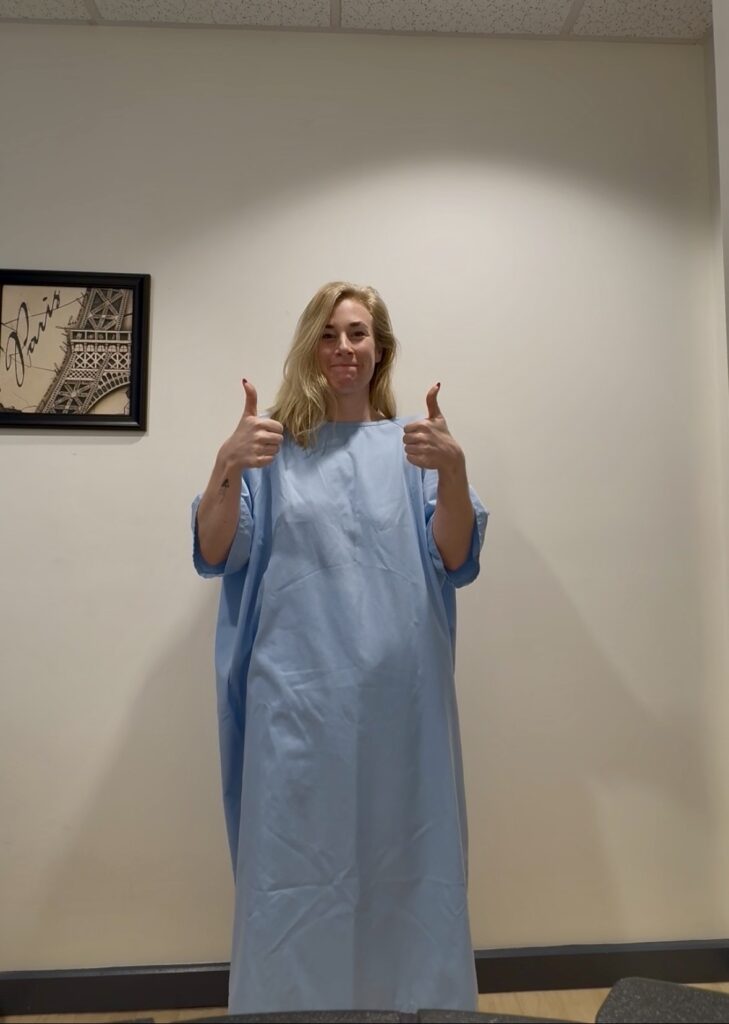
This recovery has felt long, longer than I ever expected, but for the first time, I can genuinely feel the light at the end of the tunnel. After a really rough stretch, 15 weeks, I finally got to do my first bit of running the other night. It was not long, or fast, but it felt amazing.
Slowing Down
If there’s one thing this process has taught me, it’s that slowing down isn’t optional, it’s necessary. I used to believe that rest was something you had to earn, that more effort would always lead to better results. But this injury challenged that mindset completely. Rest is not earned, it’s required. More is not always better, in fact, in my case, more was exactly what led me here.
Identity
I’ve also had to confront how much of my identity I had tied to running and sport. Being injured forced me to step away from that constant go, go, go mindset and really look at what was left when I couldn’t rely on movement in the same way. That was uncomfortable and there were a lot of highs and lows, and learning how to navigate those has been one of the hardest parts. I’ve had to lean on people more than I’m used to, talking to counsellors, health professionals, and opening up to others in a way that have been hard. But that support has been essential.
Teaching Perspective
As someone going into teaching physical and health education, this experience has shifted how I think about what I want to model for my future students. It’s not just about performance or excelling in sport, it’s about well-being, balance, and sustainability. I don’t want to just teach movement, I want to teach a healthier relationship with it than the one I was practicing.
Letting Go
One of my coaches said something to me that stuck. She said she thought maybe this recovery had been taking so long because I hadn’t learned the lesson yet. At the time, that was hard to hear, but I think I’m starting to understand what she meant. The biggest shift came when I let go of timelines and expectations. As soon as I stopped trying to control the process, my body started to calm down. My nervous system followed, and I finally started to feel more at peace with everything. Ultimately, it wasn’t about forcing progress, but about allowing it.
Expectations
Going into this project, I think I was trying to find some kind of clarity or breakthrough. I wanted to figure it out and come out the other side with everything neatly resolved. But that’s not how this worked and what I actually needed was to step back from trying to be perfect at recovery and just live, be patient, be present, and reconnect with who I am outside of running.
Progress
I’m really glad I chose this as my focus because it made me to check in with myself each week. It made me more aware of the emotional weight I was carrying and how much pressure I was putting on myself to hit milestones. When those milestones didn’t happen, it felt like failure. But looking back, I can see that this need to achieve, even in recovery, is part of what got me here in the first place. Letting go of that has been one of the most important lessons.
Health
More than anything, this injury exposed the reality that my physical and mental health were not in a good place. Recovery hasn’t just been about healing my body, but it has been about rebuilding my overall health, getting my hormones, bone health, immune system and energy back, and learning to exist in a space that feels slower, messier, and less controlled. As uncomfortable as that has been, it has also been one of the most valuable experiences.
Moving Forward
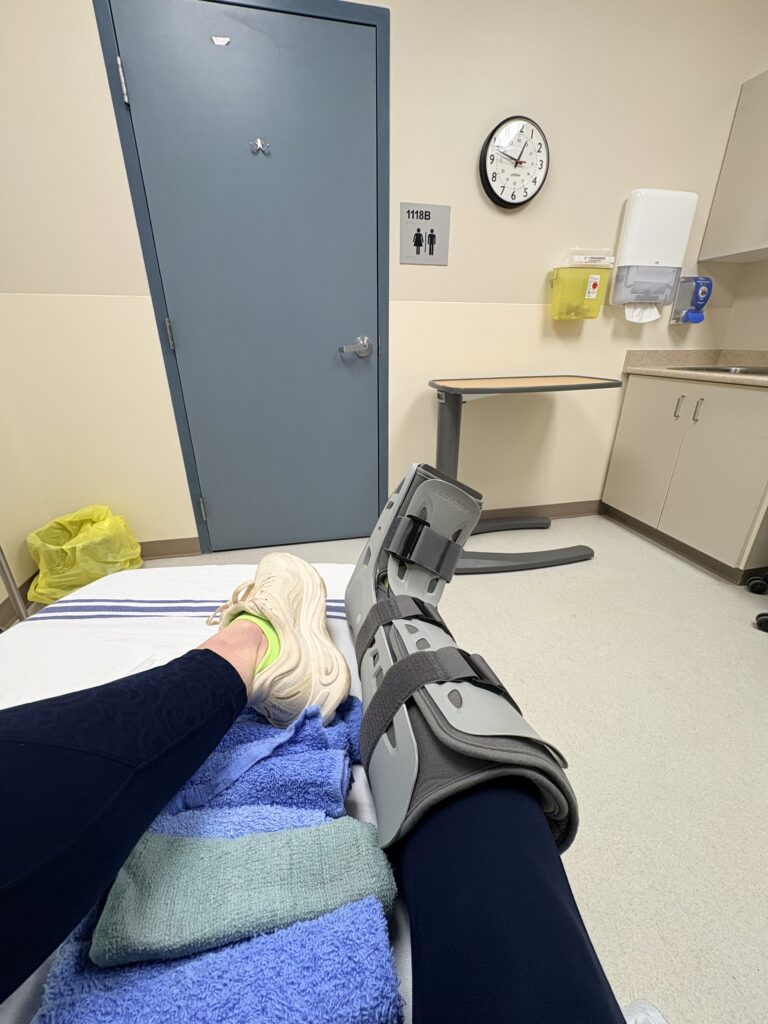
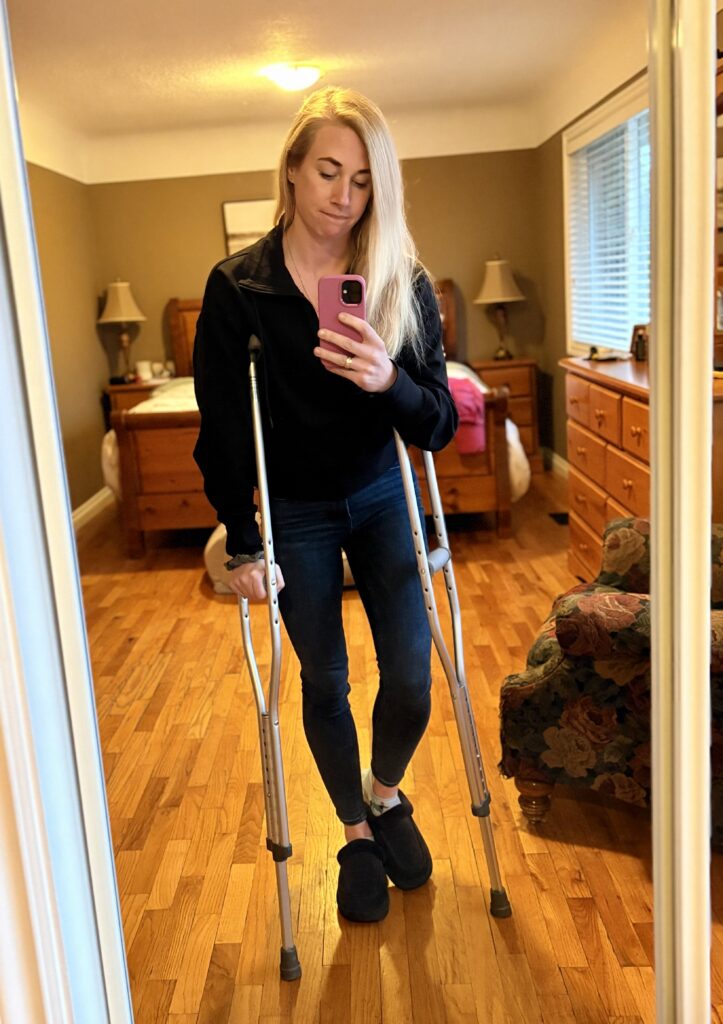
This experience tested me in ways I didn’t expect. Being on crutches for weeks, navigating daily life in a completely different way, and sitting in discomfort, not just physically but mentally, was incredibly challenging. But it also showed me that I can do hard things. However, I can honestly say now that I’m grateful for this injury. Without it, I don’t think I would have taken a step back to see how I was living or recognized how much needed to change. I feel like I’m moving forward with a healthier mindset, more balance, and better tools to cope when things get hard.
As I head into my practicum, I’m not just bringing knowledge, but I’m bringing perspective, and I think that matters even more.
Video for Further Insight
Even though this video focuses on volleyball, the message translates across all sports. It highlights how injury recovery is not just physical but deeply mental, requiring patience, discipline, and a shift in how progress is defined. The idea that setbacks are part of the process, not failure, really aligns with what many athletes experience, regardless of their sport. It reinforces that learning to slow down, trust the process, and rebuild from a healthier place is just as important as returning to performance.