This week felt heavy. Not because my pain got worse. Physically, things are actually improving. But mentally, this has probably been one of the hardest weeks so far.
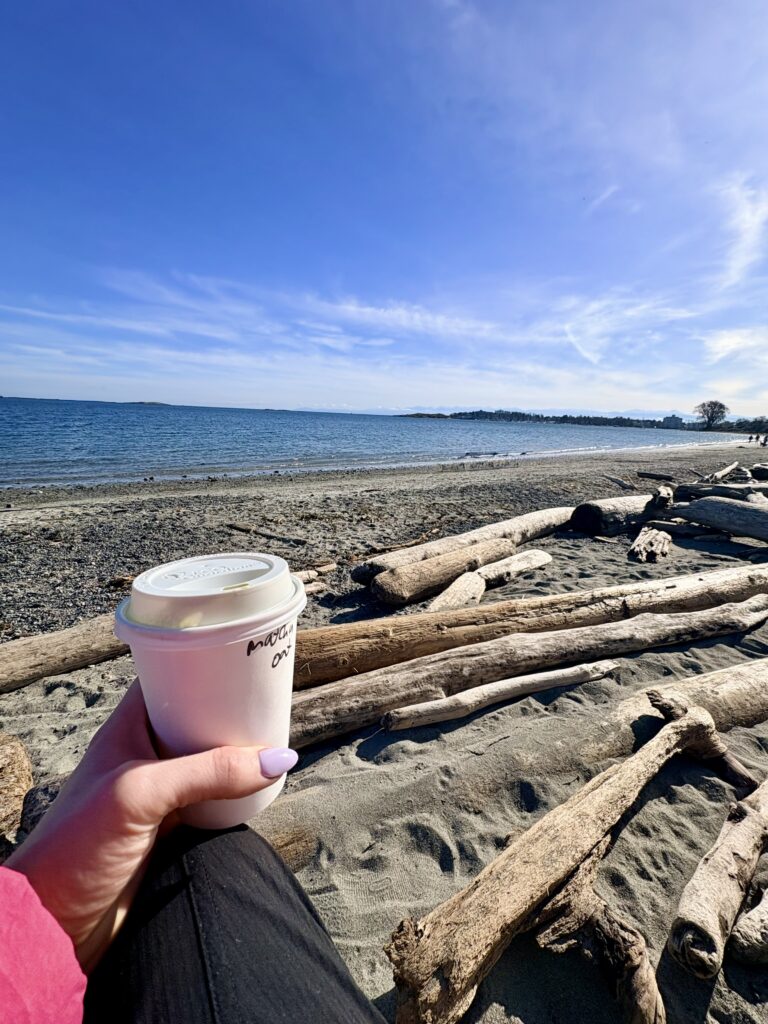
Learning to slow down and be patient.
General Overview
Overall, there has been real progress. I’ve been tracking my pain daily, and this week my baseline dropped to a 2–4 out of 10. Before this, I was consistently sitting at a 5–6. There have been a couple spikes, but they don’t last long, which feels significant. My physio also cleared me to begin incorporating more strength training beyond just isometric exercises, which feels like forward motion.
I’m still not cleared for any cross-training. No biking. No swimming. No long walks. Nothing that gives me that aerobic release, and I think that’s where the mental struggle is really coming from.
The Endorphin Gap
I miss pushing myself. I miss the feeling of finishing a hard workout and knowing I showed up fully. I miss the rush and the clarity that comes after. For years, that’s been how I process stress, build confidence, and feel accomplished.
Yoga, which I’ve only recently been cleared to reintroduce, is good and i’m grateful for it. But it doesn’t give me the same energy or feelings of pride after. To be honest, I really haven’t found anything yet that does.
On top of that, I’m missing my first official race of the season. That one has been hard to swallow. Races mark time for me, a chance to show improvement from the previous year, and they give structure to my training. Missing it feels like watching something meaningful move forward without me. Running feels closer than it did, but it’s still out of reach.
That “almost” is emotionally exhausting.
Why I’ve Been So Tired
Something I have been really struggling with is extreme fatigue. Which at times makes no sense because I am not doing much of anything!
However, this week I came across a post from The Injury Psychologist on Instagram that really helped me understand what’s been happening mentally. I’ll attach the link below, but here’s what stood out to me.
One slide said: “Recovery is a full-time mental job.”
It explained how injury places the brain in constant monitoring mode. Even when you’re physically resting, your mind is scanning:
- Is this pain normal?
- Am I doing enough?
- Am I pushing too much?
- Is this healing fast enough?
- Am I falling behind?
Another slide talked about how the brain struggles when the path forward isn’t clear. Injury disrupts rhythm especially as timelines shift and progress feels uneven. And the brain doesn’t like uncertainty (especially mine), so it fills the gaps by analyzing, questioning, and searching for reassurance. That constant background processing is draining.
There was also a slide that said: “The mind can recover its energy too.” It explained that as healing becomes clearer and trust in your body rebuilds, the mind doesn’t have to work as hard to monitor and protect you.
Reading that helped me reframe my fatigue. But if my brain is essentially on high alert all day—tracking pain in my tibia and knee, evaluating every sensation, questioning when I will be able to return to ‘normal’—that makes sense.
Recovery isn’t just physical. And I am realizing that even when my body is resting, my mind isn’t.
Instagram Post Here:
https://www.instagram.com/p/DVgq4_cimsi/?utm_source=ig_web_copy_link&igsh=NTc4MTIwNjQ2YQ==

Challenges This Week
This week, staying positive has been harder.
There were a few days where I felt really low, flat, and unmotivated. Missing the version of myself that could go out and hammer a workout and feel strong.
Additionally, this week my summer soccer coach emailed asking about availability for the upcoming season, which starts in April, and I had to face the strong realization that realistically my body won’t be in peak form until at least midway through the season; even if I’m back to run-walks by then, there’s no way I could sustain the energy, effort, and strength required to play a full-out game, especially in the position I typically play, and that was another hard truth to sit with.
Missing my first race of the season amplified that. It forced me to sit with the reality that I’m not just “almost back,” but i’m still in it.
I’ve had to really work to not let that spiral into frustration.
What I’m Working On
Two things have been grounding me this week:
1. Gratitude journaling.
Each day I’ve been writing down what I’m grateful for. Some days it’s big things. Some days it’s as simple as low pain or good sleep. It’s not about forcing positivity. It’s about widening my perspective.
2. Focusing on what I can control.
I can’t control the exact timeline of bone or tissue healing. But I can control:
- My nutrition
- My sleep
- My rehab consistency
- Listening carefully to my body
I’m also continuing to show up fully for the people I coach in the running community and the students I work with at Oak Bay High and Vic High. Even if I can’t physically demonstrate everything, I can model patience, self-awareness, and long-term thinking. If anything, this injury has reinforced the message I give them: health first. Always.
I’m also channeling energy into practicum prep. There’s something stabilizing about planning, learning, and focusing on the educator I’m becoming. Part of me has been reflecting on whether this injury is also asking me to strengthen the mental side of my performance identity before I’m ready to fully return physically.
Lessons Learned
This week reminded me:
- Recovery is deeply psychological.
- Fatigue doesn’t mean I’m weak; it may mean my brain is working overtime.
- Progress doesn’t always feel exciting while you’re in it.
- Running being “close” can feel harder than it being far away.
Even on the lower days, conversations with my coach and other professionals helped. I’m learning how to fuel more intentionally. How to rest without guilt. How to separate my worth from my workouts. How to be patient.
Those are skills I’ll carry long after this injury has fully healed.
Progress
Even though this week felt mentally tough, there is measurable progress:
- Pain reduced to a 2–4 most days
- Cleared for more advanced strength exercises
- Better understanding of mental fatigue
- More intentional focus on recovery practices
Running still feels close, but not here yet. Missing my first race hurts. I won’t pretend it doesn’t.
But I also know this: healing isn’t just about getting back to the start line. It’s about building something steadier underneath me.
This week wasn’t about proving anything physically. It was about learning how to carry the weight of recovery with a little more awareness and a little more patience.
Leave a Reply